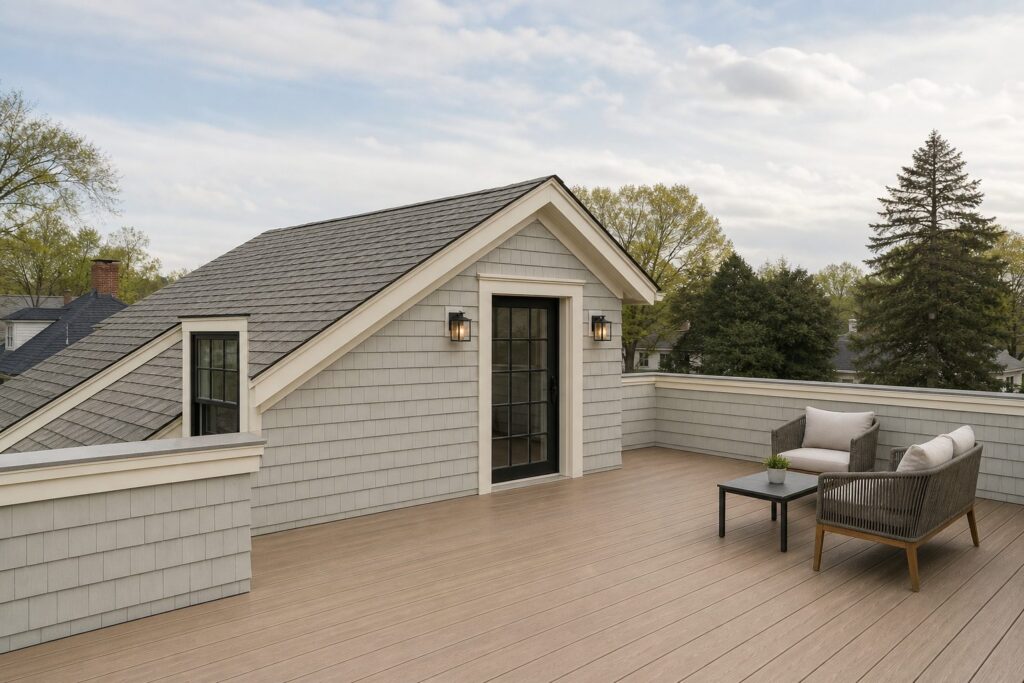
Roof Inspections in Jacksonville, FL
Regular roofing inspections are essential for maintaining the integrity of your home. A free roofing inspection allows homeowners to identify potential issues before they escalate, ensuring your roof remains in good condition. By catching problems early, you can save on costly repairs and prolong the lifespan of your roof. Prioritizing these inspections not only protects your investment but also provides peace of mind for you and your family.
What Influences Inspection Cost
Several factors affect the overall price of a roof inspection. The size of your roof is a key consideration since larger areas require more time and effort to evaluate thoroughly.
The roofing materials influence cost because some types are more difficult to access or inspect safely. The condition of the existing roof may also add complexity if damage makes assessment harder.
How Scheduling and Work Length Vary
Scheduling depends on the inspection's scope and your availability. The business organizes appointments based on your convenience and the job complexity.
A roof inspection visit typically lasts enough time to cover a full assessment, including walking the roof, examining vulnerable points, and documenting findings for your review.
Verification of Service Quality
This business does not list credentials or licenses publicly. However, customer feedback confirms reliable service and thorough communication during roof inspections.
Clients note clear explanations provided after each inspection, and the team documents all observations to support homeowner decisions regarding roof care.
Common Signs of Roofing Problems
These signs indicate issues that a roof inspection looks to identify and evaluate for your home’s protection.
- Missing shingles. Shingles that are gone or loose increase exposure to the elements and lead to leaks.
- Water stains. Ceiling or attic water marks suggest leaks or ventilation problems in the roofing system.
- Cracked flashing. Damaged or bent flashing near chimneys or vents allows moisture to penetrate the roof deck.
- Granule loss. Visible granule loss on shingles reduces their ability to shed water effectively.
- Sagging roof areas. Uneven or bowed sections of the roof may signal structural damage or water accumulation.
- Clogged gutters. Blocked gutters cause improper drainage that can back up under roofing edges.
Typical Reasons Inspections Are Needed
Several factors make a roof inspection an important step in maintaining your home's envelope.
- Weather exposure. Prolonged exposure to sun, wind, and rain gradually wears roofing materials down.
- Poor roof installation. Improperly installed roofs often develop early issues that inspections can detect.
- Roof age. Older roofs lose effectiveness and require regular checks to catch developing problems.
- Physical damage. Fallen branches or debris impact the roof and increase vulnerability to leaks.
- Inadequate ventilation. Poor attic airflow allows moisture buildup that can degrade roof components.
- Animal activity. Birds or pests disturbing shingles or vents create openings for water intrusion.
Standard Roof Inspection Steps
Step one: schedule an appointment to assess your roof at a convenient time.
Step two: examine all accessible roofing surfaces for visible damage.
Step three: check gutters, flashing, and vents for signs of failure or blockage.
Step four: document findings with notes and photographs for a comprehensive report.
Step five: review inspection results with you and explain any areas of concern.
Common Inspection Pitfalls
Avoid actions or assumptions that may worsen roof problems before professionals examine the roof.
- Ignoring visible damage. Delaying an inspection despite obvious roof damage often allows problems to worsen.
- DIY repairs on roofing materials. Attempting to fix damage without expertise can cause further harm or void maintenance options.
- Skipping attic inspections. Neglecting the attic prevents detecting leaks and moisture buildup affecting the roof’s underside.
- Using unsafe access methods. Climbing onto the roof without proper equipment risks injury and property damage.
- Cleaning gutters without inspection. Clearing debris without checking gutters for damage misses signs leading to drainage issues.
Maintenance Habits to Prolong Roof Health
Follow these maintenance habits between inspections to keep your roof functioning longer.
- Regular debris removal. Clear leaves and branches from the roof and gutters to prevent moisture buildup.
- Monitor attic conditions. Check your attic for signs of moisture, mold, or ventilation problems routinely.
- Trim overhanging trees. Keep tree branches away from the roof to reduce physical damage and debris fall.
- Schedule periodic inspections. Arrange professional assessments after storms or every few years to identify issues early.
- Promptly repair small damage. Address minor shingle or flashing problems quickly to avoid larger roof deterioration.
Common questions
Cost depends on your roof size, the materials present, and any existing damage that requires attention.
The time varies by roof complexity but typically covers walking the entire roof and assessing all key areas.
The inspection covers shingles, flashing, gutters, ventilation, and attic condition to detect potential issues.
Consider inspections after storms, before major repairs, or as part of regular home maintenance.
Visible signs like missing shingles or water stains suggest the need for a professional roof inspection.
Ready when you are
Schedule Your Roof Inspection
Contact to arrange a thorough roof inspection or repair. We provide clear information and practical solutions for your property.