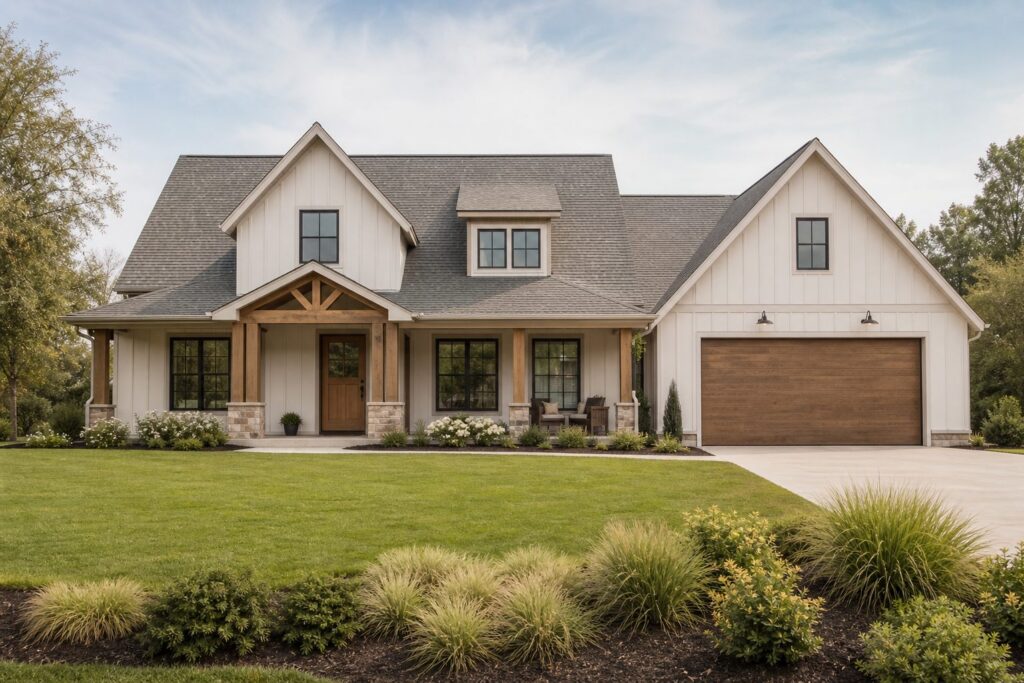
Residential Services for Jacksonville, FL Homes
We specialize in residential roofing in Jacksonville, St. Augustine, and the Northeast Florida region. Our commitment is to provide high-quality roofing solutions that not only enhance the aesthetic appeal of your roof but also ensure its safety and durability. With our experienced team, you can expect reliable craftsmanship tailored to meet all your roofing needs. Trust us to safeguard your home with a dependable and expertly installed roof.
Factors Affecting Residential Costs
The cost of residential roofing depends on several factors tied to your property and needs. The overall size of your roof directly influences material amounts and labor requirements.
Material choice impacts pricing since some options demand more preparation and specialized handling. The current condition of your roof also matters, as repairs or removals increase the scope of work.
Other elements such as roof design complexity and access difficulty contribute to the overall cost by affecting how technicians perform the work.
Scheduling Considerations and Job Length
Top View Roofing and Restoration schedules work based on job scope, coordinating with you to find a suitable time to begin. The time until we get back to you after inquiry depends on current workload and appointment availability.
The length of a residential roofing job varies by project size and complexity. Basic repairs or small installations often require fewer days compared to larger replacements.
Weather and material delivery timing also influence scheduling but are addressed during planning stages to minimize disruptions to your household.
Documentation and Customer Feedback
Specific credentials or certifications for regarding residential roofing are not listed. We rely on careful workmanship and client communication throughout the process.
Key Signs of Needed Roofing Work
These signs indicate your residential roof may require professional inspection or repairs.
- Broken shingles. Shingles that are cracked, curled, or missing can allow water to penetrate your roof.
- Water stains. Discoloration on ceilings or walls often signals leaks inside your home.
- Granule loss. Excessive granule shedding on gutters or downspouts shows aging or deteriorated shingles.
- Sagging areas. Roof sections that dip downward may indicate structural issues or water damage.
- Damaged flashing. Loose or cracked flashing around vents and chimneys can lead to leaks.
- Mold or moss growth. Vegetation growth on roofing surfaces can hold moisture and degrade materials.
Typical Causes of Roof Issues
Homeowners often encounter several root causes behind residential roofing damage.
- Weather exposure. Sun, wind, rain, and temperature changes can wear roofing components over time.
- Poor ventilation. Inadequate airflow can cause heat and moisture buildup that damages roofing materials.
- Improper installation. Errors during initial installation may create vulnerabilities in your roof.
- Clogged gutters. Debris in gutters often causes water to back up, increasing leak risk.
- Lack of maintenance. Delaying routine roof checks and upkeep allows minor problems to worsen.
- Mechanical damage. Falling branches or foot traffic can physically damage shingles or flashing.
Steps Followed for Residential Service
Step one: Schedule an inspection to assess your roofu2019s condition.
Step two: Document findings and discuss options with you clearly.
Step three: Prepare the site and protect surrounding areas during work.
Step four: Perform repairs or installations using appropriate materials.
Step five: Conduct a final walk-through and explain completed work.
Step six: Clear the site and remove all debris after job completion.
Common Homeowner Errors to Avoid
Avoid these mistakes to protect your residential roof before professional care.
- DIY repairs. Attempting complex fixes yourself often leads to further damage or safety risks.
- Ignoring signs. Delaying inspection or repair when you notice problems increases damage severity.
- Using improper materials. Applying incorrect sealants or patches can worsen roof conditions.
- Climbing unsafely. Walking on the roof without proper equipment risks injury and roof damage.
- Neglecting gutters. Not clearing gutters allows water buildup that harms roofing edges.
Regular Care Habits for Roofs
Maintain your residential roof with these straightforward habits until you schedule service.
- Inspect gutters. Clear debris regularly to ensure proper water drainage and prevent leaks.
- Trim trees. Cut back overhanging branches to reduce debris and limit roof damage risks.
- Check attic ventilation. Confirm airflow to reduce moisture buildup that can harm roofing materials.
- Schedule routine reviews. Periodic roof assessments help catch issues before they grow larger.
- Remove moss. Carefully clear moss or algae to avoid material deterioration.
Common questions
Costs depend on your roof size, choice of materials, and the current roof condition requiring attention.
Scheduling depends on job size and workload; job length varies with complexity and site conditions.
Look for signs such as damaged shingles, water stains inside, moss growth, or sagging roof sections.
Inspections, problem assessment, repairs or replacements, cleanup, and explaining the work completed.
Call if you notice leaks, visible damage, or worsening signs that affect your roof’s performance.
Ready when you are
Schedule Your Roof Inspection
Contact to arrange a thorough roof inspection or repair. We provide clear information and practical solutions for your property.